Laravel
Laravel is our most battle-tested backend framework, used in dozens of production apps. Its elegant syntax, auth, queues, and ORM make development fast.
- Elegant syntax and developer productivity
- Built-in authentication, queues, and caching
- Eloquent ORM for database operations
- Extensive ecosystem (Nova, Horizon, Sanctum)
Projects Built With Laravel
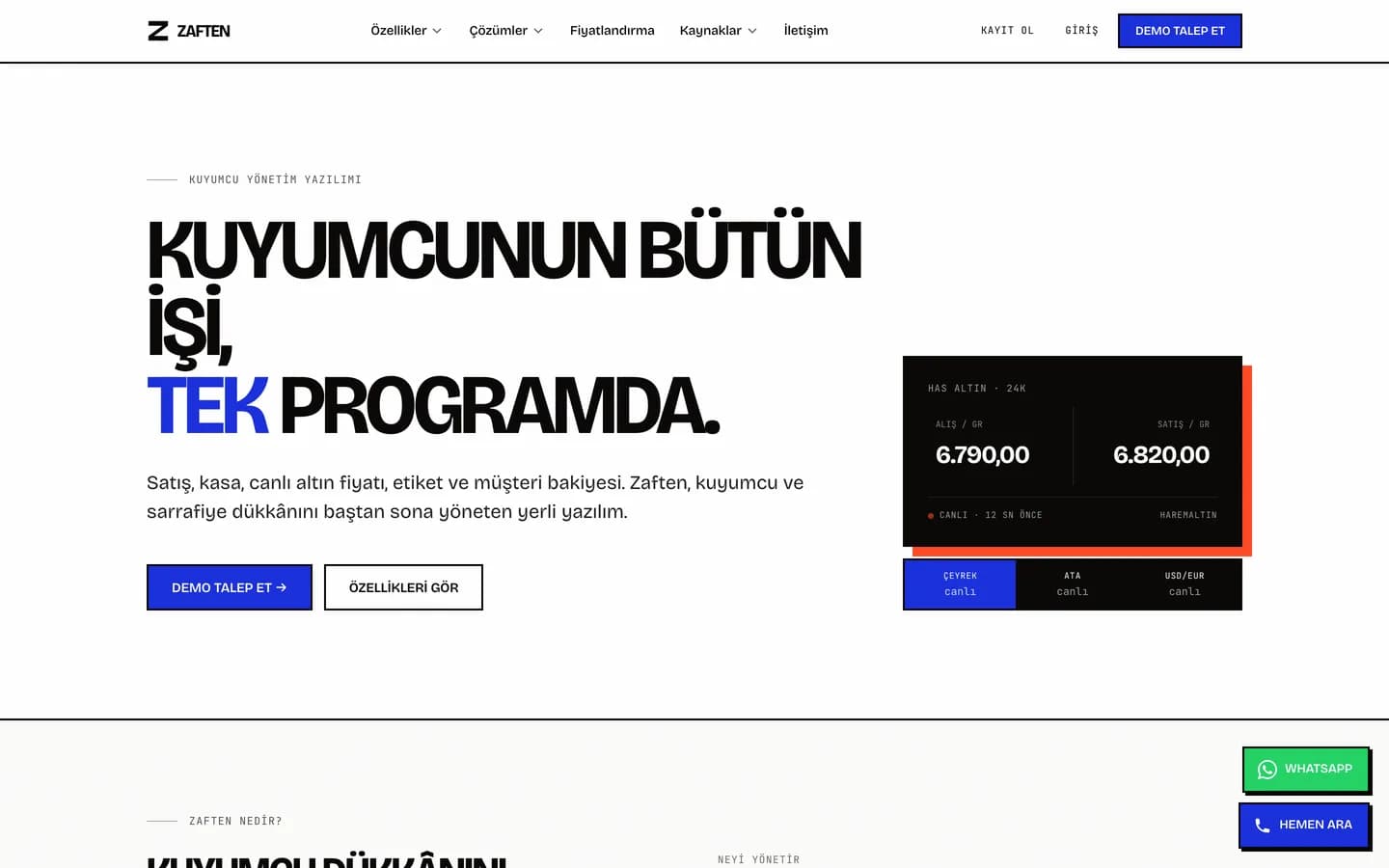
Zaften
Jeweler and currency-exchange management software with a barcode POS, live gold and forex rates, and MASAK-compliant reporting.
SaaS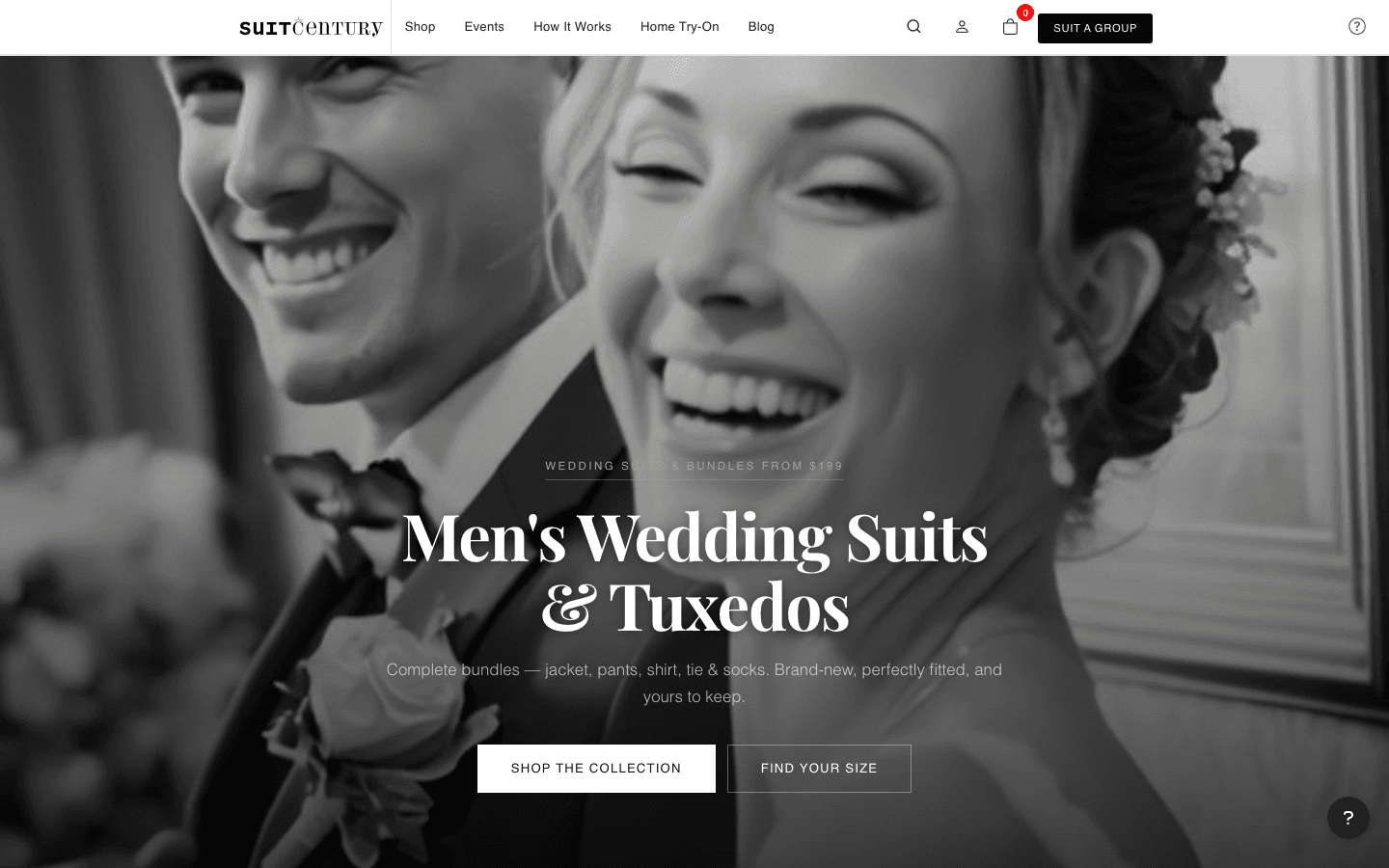
Suit Century
An e-commerce platform selling men's suits and tuxedos with group wedding ordering and a built-in size calculator.
E-Commerce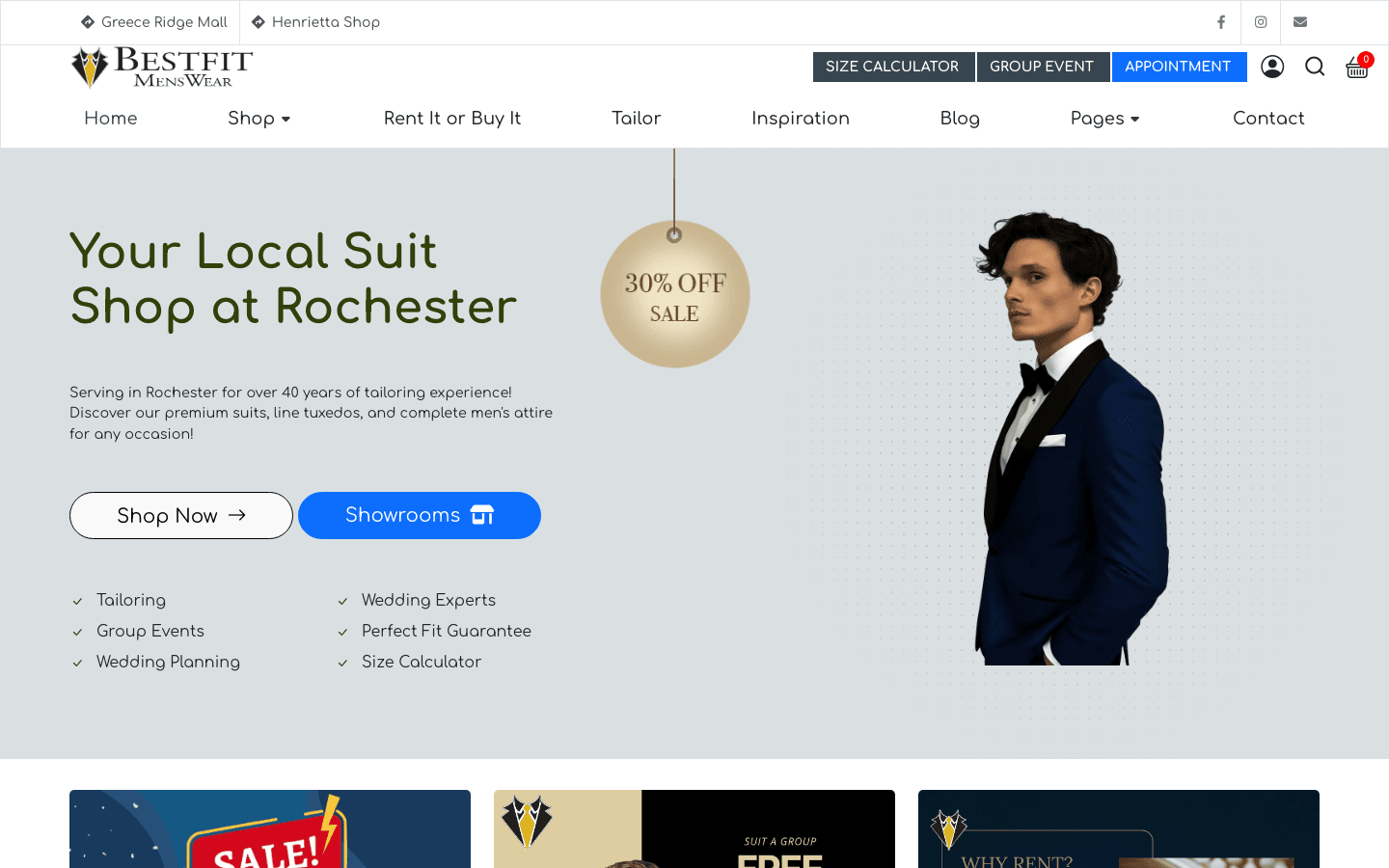
Best Fit Menswear
An online and showroom-based menswear retailer with suit size calculator, event ordering, and appointment booking.
E-Commerce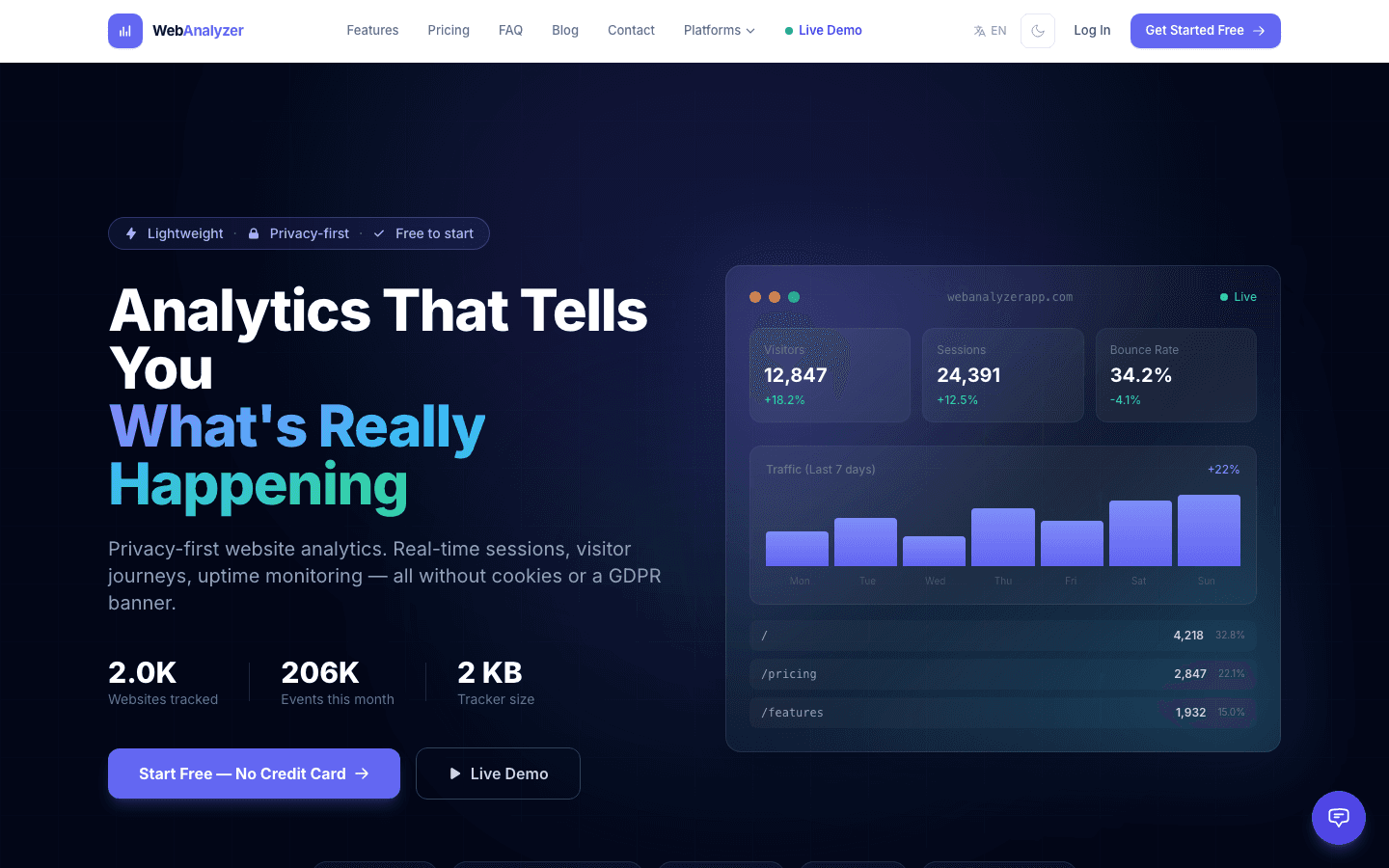
Web Analyzer App
A privacy-focused website analytics SaaS platform with real-time tracking, funnel analysis, and uptime monitoring.
SaaS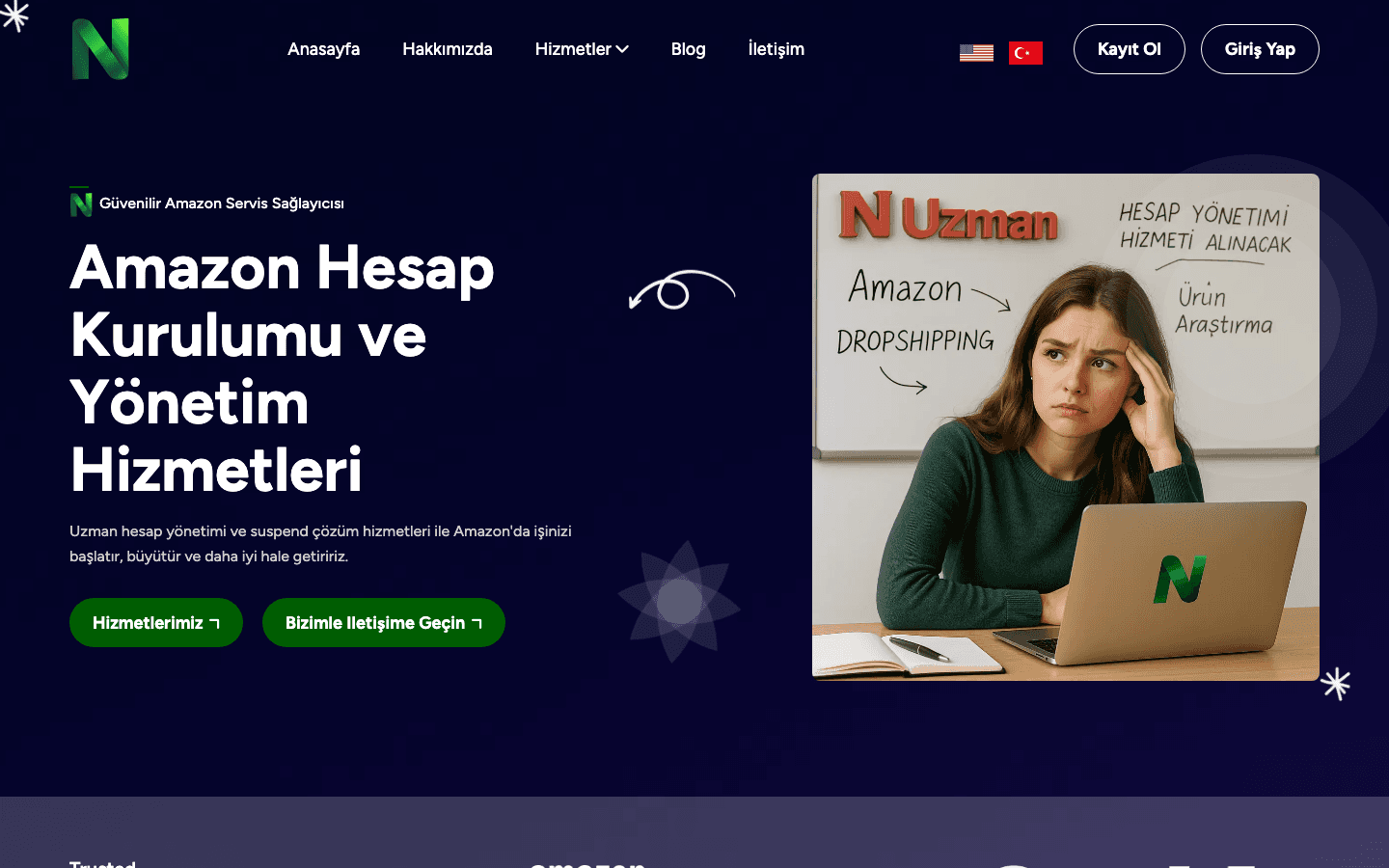
Noviamazon
A service platform helping sellers start and manage Amazon businesses with account setup, compliance, and training.
Consulting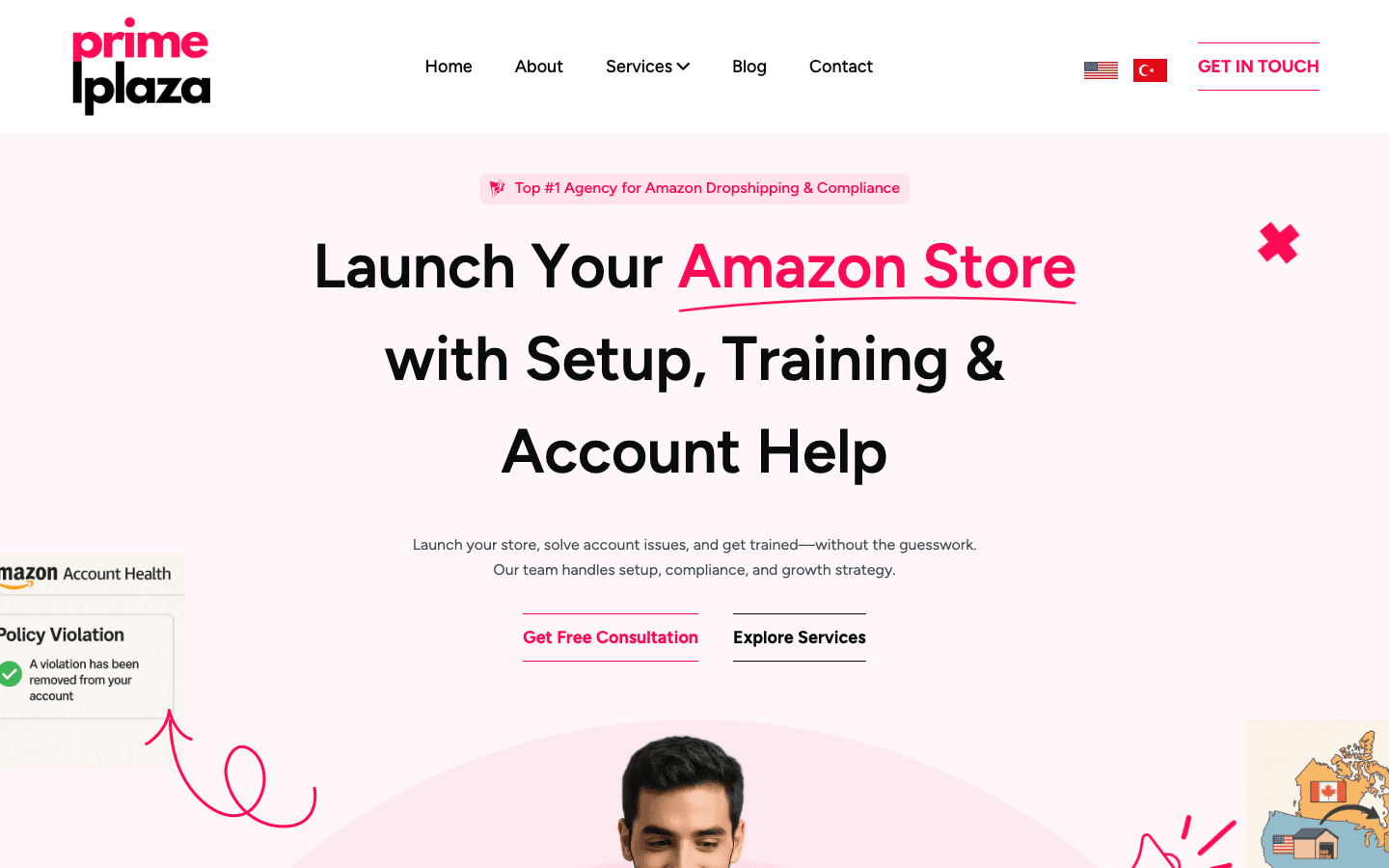
Primeplaza
A consulting platform for Amazon sellers offering account management, policy support, and international tax consulting.
Consulting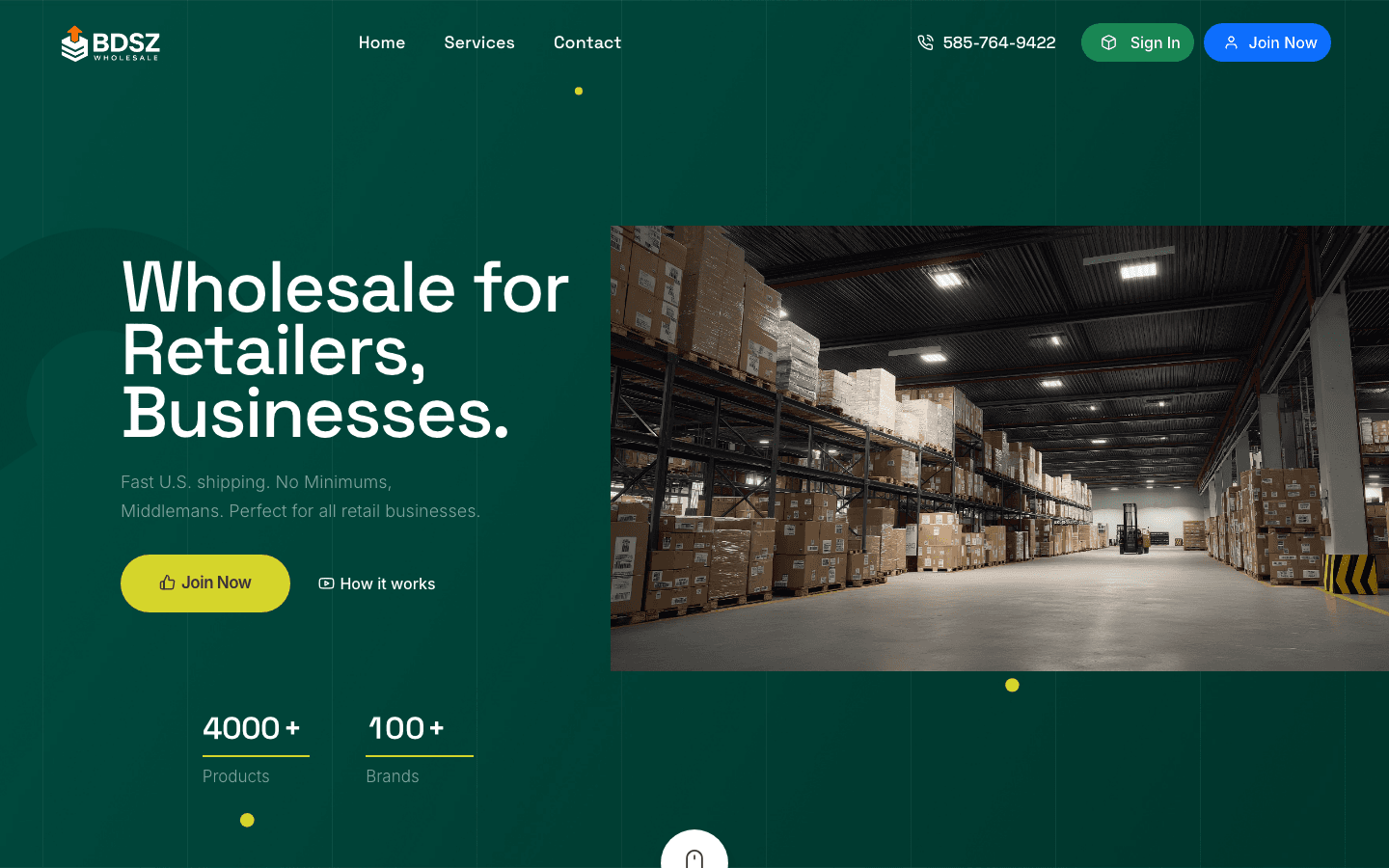
BDSZ Wholesale
A B2B wholesale marketplace with member-only pricing, bulk ordering, and distribution center logistics.
E-Commerce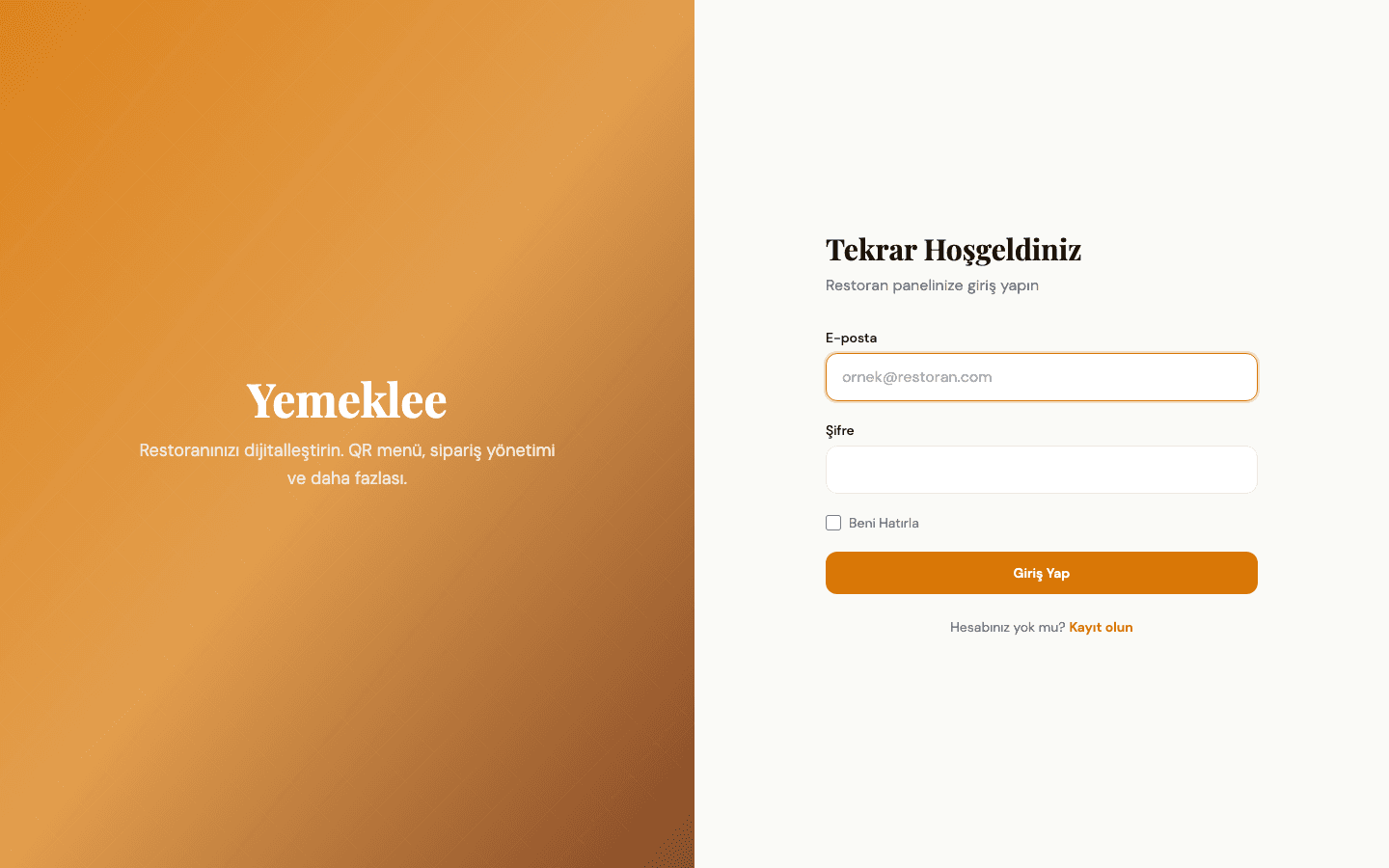
Yemeklee
A restaurant ordering and management system with multi-tenant architecture and real-time order processing.
SaaS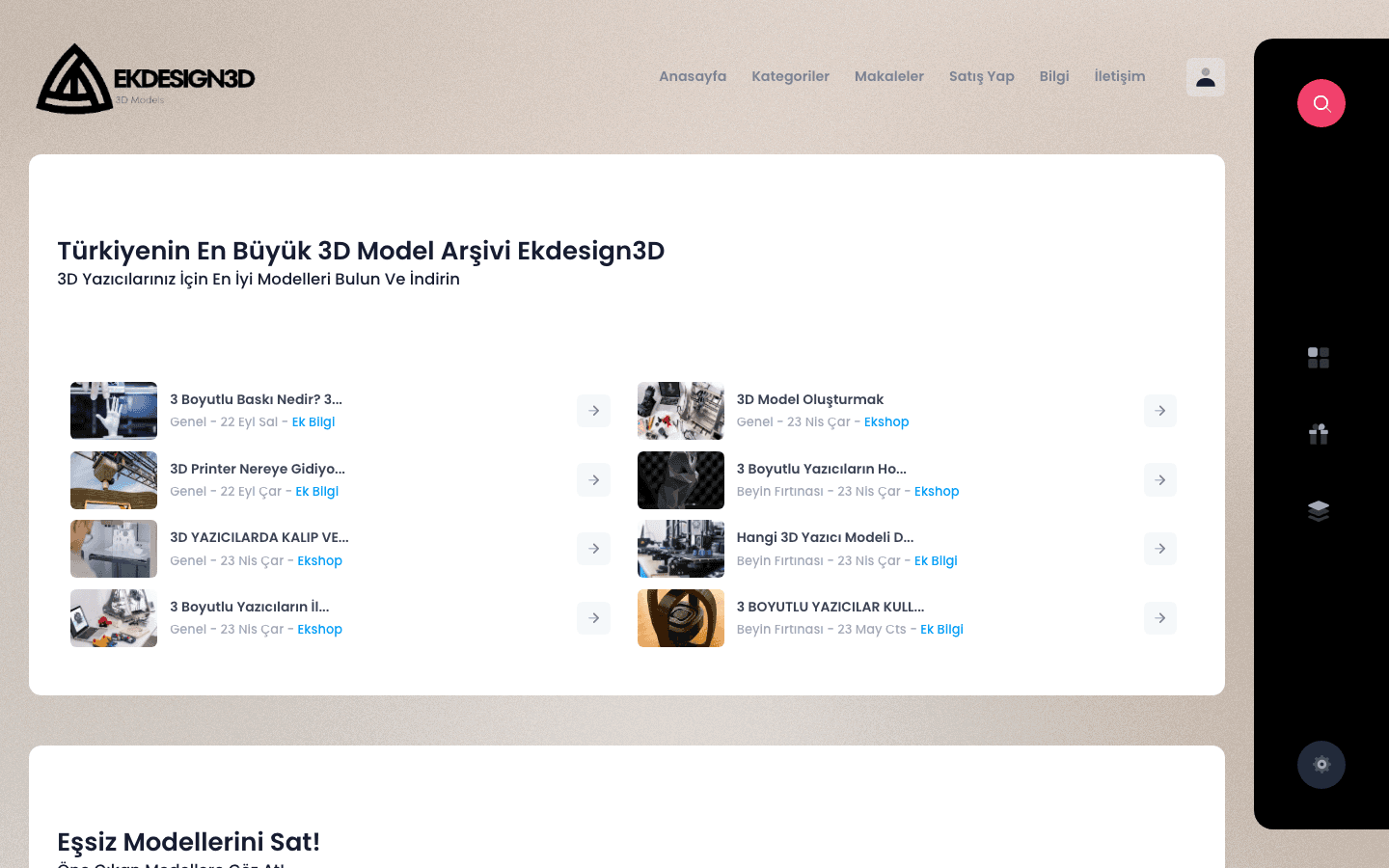
EK Design 3D
A 3D model archive and content platform with categorized digital assets, search, and download management.
Web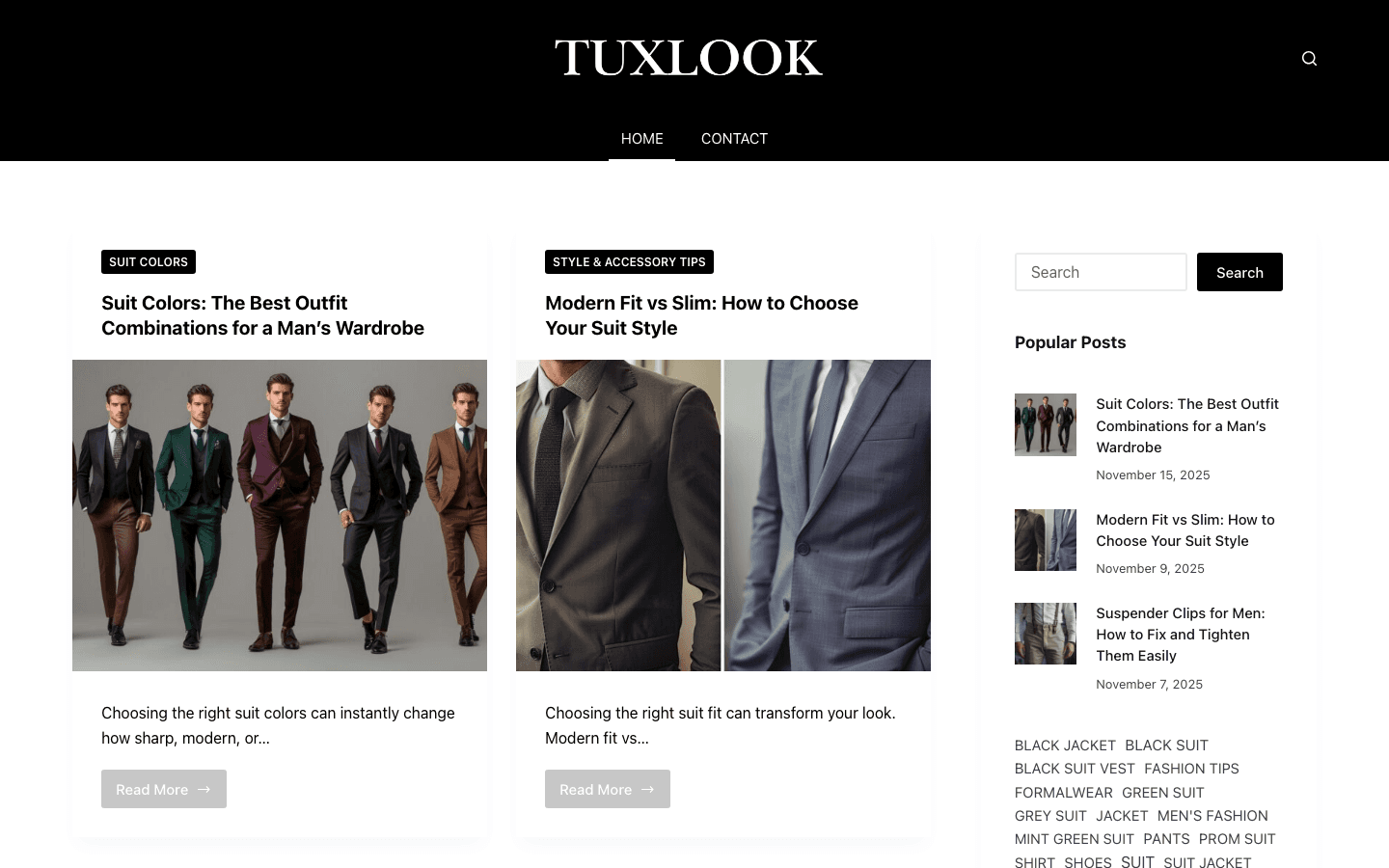
Tux Look
An e-commerce platform for tuxedos and formal menswear with online ordering and product catalog.
E-Commerce
Nuvemag
A scalable fashion and entertainment magazine platform optimized for SEO and fast editorial workflows.
WebReady-to-use Laravel snippets
Terms worth knowing
Frequently Asked Questions
Pinkontin builds across four layers. Frontend uses React, Next.js, TypeScript, Tailwind CSS, React Native, and Vue.js; backend uses Node.js, Laravel, Python, Go, and GraphQL; databases use PostgreSQL, MongoDB, Redis, and MySQL; and cloud and DevOps use AWS, Docker, and Kubernetes. The team chooses tools proven in production rather than trends, and each technology page explains what the tool is and when Pinkontin uses it.
Pinkontin picks technologies that have proven themselves in production rather than chasing trends, and matches each tool to the job. For example, PostgreSQL is the default database, MongoDB fits flexible or evolving data models, Redis handles caching and real-time features, and Go is chosen when performance and concurrency matter most. Every technology page lists the specific strengths behind the choice so clients can see the reasoning.
Yes. Pinkontin is a full-stack team that designs, builds, and ships across frontend, backend, databases, and cloud and DevOps with one team. Frontend runs on React, Next.js, and TypeScript; backend on Node.js, Laravel, Python, or Go; data on PostgreSQL, MongoDB, Redis, or MySQL; and deployment on AWS with Docker and Kubernetes.
PostgreSQL is Pinkontin's default database for production applications, chosen for its reliability, ACID compliance, JSON support, and full-text search. MongoDB is used when the data model is flexible or evolving, Redis for caching, sessions, and real-time features, and MySQL on Laravel projects that benefit from its wide hosting support. The right choice depends on the data model and the scaling needs of the project.
Each Pinkontin technology page explains one tool in the team's production stack: what it is, what Pinkontin builds with it, and when the team reaches for it. Pinkontin is a full-stack software agency that picks technologies proven in production rather than trending ones, working across four layers: frontend (React, Next.js, TypeScript, Tailwind CSS, React Native, Vue.js), backend (Node.js, Laravel, Python, Go, GraphQL), databases (PostgreSQL, MongoDB, Redis, MySQL), and cloud and DevOps (AWS, Docker, Kubernetes). Every page states the concrete strengths behind that choice so you can judge fit before requesting a quote.
Have a Project in Mind?
Let's discuss how we can bring your idea to life. With 50+ projects delivered, we take you from first plan to a production-ready product, and we offer custom software development with fixed-price quotes. Book a free consultation, no commitment.