The Impact of Edge Computing on Real-Time Data Processing
Explore the transformative impact of edge computing on real-time data processing, its applications, and challenges across industries.
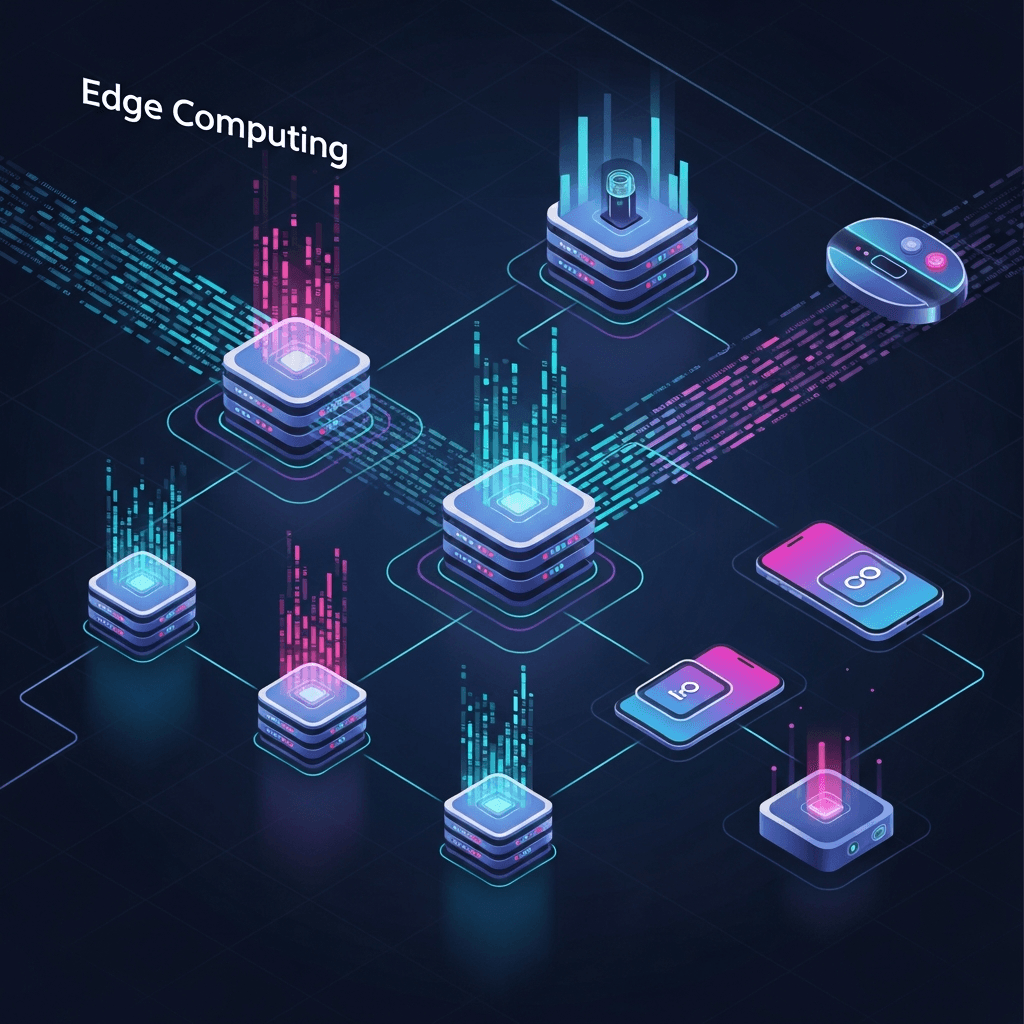
Understanding Edge Computing
Edge computing is revolutionizing the way we process and analyze data by bringing computation and data storage closer to the data source. Unlike traditional cloud computing, where data is sent to centralized data centers for processing, edge computing allows for real-time data handling at the source. This localized processing reduces latency, enhances efficiency, and can significantly improve user experiences.
Why Edge Computing Matters
In today's fast-paced digital landscape, industries are generating vast amounts of data that require immediate analysis. Edge computing addresses this need by enabling faster data processing and response times. This is particularly crucial for applications that rely heavily on real-time data, such as autonomous vehicles, smart cities, and industrial automation.
Enhancing Real-Time Data Processing
One of the foremost benefits of edge computing is its ability to process data in real-time. For instance, autonomous vehicles equipped with sensors generate enormous amounts of data that must be analyzed instantly to make split-second driving decisions. By processing this data at the edge, these vehicles can operate safely and efficiently without relying on distant cloud servers.
Reducing Latency
Latency can be a critical factor in many applications. In smart cities, for instance, traffic management systems need to respond in real-time to changing traffic conditions. Edge computing minimizes latency by processing data locally, enabling quicker decision-making and improving overall traffic flow.
Applications of Edge Computing
Edge computing is finding applications across various sectors, transforming how businesses operate and deliver services. Here are a few examples:
- Healthcare: Edge computing can improve patient monitoring by processing data from medical devices in real-time, leading to faster diagnostics and treatment.
- Manufacturing: In industrial settings, edge computing allows for real-time monitoring of equipment and predictive maintenance, reducing downtime and operational costs.
- Retail: Retailers can use edge computing to analyze shopper behavior in real-time, enhancing personalized marketing and improving customer experiences.
For more insights into our related offerings, explore our Custom Software Development services.
Challenges and Considerations
While edge computing offers numerous advantages, it also presents challenges. Security is a significant concern, as processing data at the edge can increase the attack surface. Ensuring robust security measures are in place is crucial to protect data integrity and privacy.
Scalability and Management
Managing numerous edge devices and ensuring consistent performance can be complex. Organizations need to develop strategies for effective device management and scalability. Consider our insights on DevOps & Cloud to better manage edge computing environments.
Conclusion
Edge computing is a transformative technology that is set to redefine real-time data processing across industries. By reducing latency and enabling real-time analytics, edge computing enhances decision-making and operational efficiency. As we continue to embrace this technology, understanding its applications and challenges will be key to unlocking its full potential. To learn more about how we can help you integrate edge computing solutions, visit our Contact page.